
Chapter 8: Labor market and personal finances
This chapter explains the structure of the Swedish labor market, including the relationship between employers and employees, the rules governing employment, and the basics of personal finance in Sweden.
How the Labor Market Works
The Swedish labor market is divided into two main sectors: the public sector and the private sector.
The Public Sector (Offentlig sektor): This includes operations managed by the state, regions, and municipalities, and it is entirely funded by tax revenues. Jobs in this sector include healthcare workers, teachers, preschool staff, police officers, and firefighters. Roughly 30 percent of the Swedish workforce is employed in the public sector.
The Private Sector (Privat sektor): This consists of all privately owned businesses, ranging from small shops and restaurants to large factories, tech companies, and transport firms. About 70 percent of Sweden’s workforce is employed in the private sector.
The types of jobs available vary depending on where you live. Large cities have a high concentration of service, trade, and corporate jobs, while smaller towns often rely on industries, factories, or businesses tied to nearby natural resources.

The Parties of the Labor Market
The labor market consists of two main groups: employers (arbetsgivare) who hire and pay staff, and employees (arbetstagare) who perform the work. Both groups have formed their own organizations to protect their specific interests.
Employer Organizations: These represent the companies and public employers. The largest include the Confederation of Swedish Enterprise (Svenskt Näringsliv) for private companies, and the Swedish Association of Local Authorities and Regions (SKR) along with the Swedish Agency for Government Employers (Arbetsgivarverket) for the public sector.
Trade Unions (Fackförbund): These represent the employees. The three largest central union organizations in Sweden are LO, TCO, and SACO. Employees choose to join specific unions based on their profession. Unions work to improve working conditions, negotiate salaries, and support members if they face problems at work.
The Swedish Model and Collective Agreements
In Sweden, the government does not set a national minimum wage. Instead, salaries and working conditions are determined through negotiations between the trade unions and the employer organizations. When they reach an agreement, they sign a collective agreement (kollektivavtal). This agreement applies to all employees at workplaces that are covered by it.

Labor Laws and Rules
In addition to collective agreements, there are strict national laws designed to protect workers’ rights and ensure a safe work environment. These laws regulate working hours, workplace safety, and the right to paid vacation. Employers are also legally required to pay additional fees to the state on top of an employee’s salary to fund public pensions and health insurance.
Taxes and Unemployment Insurance
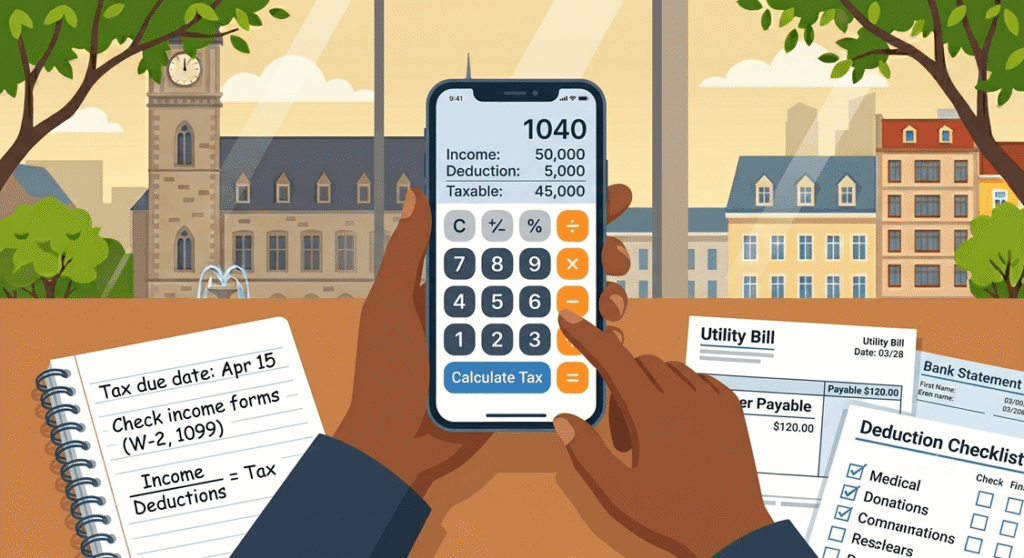
Income Tax: Everyone who works legally in Sweden must pay tax on their salary. The exact amount depends on how much you earn. Working without paying taxes (often called working “black”) is illegal.
Unemployment Funds (A-kassan): The unemployment insurance fund (A-kassa) provides financial support if you lose your job. To receive this money, you must be a paying member of an A-kassa, have worked a certain number of hours over a specific period, and be actively looking for a new job.
Personal Finances in Sweden
Personal finance (privatekonomi) refers to an individual’s or family’s incomes and expenses. Income usually comes from salaries or state benefits, while expenses include housing, groceries, and clothing. Salaries in Sweden are generally high compared to many other countries, though they vary based on education, experience, and industry. The state also provides financial support through the social insurance system, such as child allowances (barnbidrag), sick pay, and pensions.
People save money in bank accounts, mutual funds, or stocks. Because housing prices have risen significantly in recent decades, taking out a bank mortgage to buy an apartment or house is very common and forms a major part of many people’s personal finances. Buying items on credit or using credit cards is also common, but these loans often come with high interest rates.
The Enforcement Authority (Kronofogdemyndigheten)
If a person fails to pay their debts, the matter may be handed over to the Enforcement Authority. This state agency is responsible for ensuring that unpaid debts are collected. However, they also offer support; if a person has overwhelmingly large debts they can never repay, the agency can help them restructure their finances through a process called debt relief (skuldsanering).