



Chapter 7: Human rights
This chapter covers human rights, how they have shaped Swedish legislation, and the specific rights granted to women, children, and minority groups. It also details how Sweden actively works against discrimination and hate crimes.
Universal Human Rights
Human rights are founded on the principle that all people possess equal rights and equal value. Following the end of the Second World War in 1945, 51 countries formed the United Nations (UN) to prevent future wars and safeguard individual rights. In 1948, the UN presented the Universal Declaration of Human Rights, containing 30 articles.
The declaration states that everyone is born free and has the right to live a life free from violence. It includes the right to:
Express your opinions and share them with others.
Work, rest, and take vacations from work.
Attend school and receive an education.
Flee to another country and seek asylum if your life is in danger.
Practice any religion, or choose not to practice one at all.
Not be discriminated against based on gender or skin color.
Have a nationality (citizenship cannot be taken away without a legal, valid reason).
Treating someone worse than others is called discrimination, and it violates human rights. Sweden has a specific Discrimination Act (Diskrimineringslagen) that makes it strictly illegal to discriminate against anyone based on gender, age, ethnicity, religion, sexual orientation, or disability.
Gender Equality (Jämställdhet)
Sweden’s gender equality policy aims to ensure that women and men have the exact same rights, obligations, and power to shape society and their own lives. To achieve this, the country focuses on several areas:
Political Representation: Political parties are encouraged to nominate both men and women to ensure equal representation in politics.
Equal Pay: Laws dictate that men and women must receive equal pay for equal work, which is monitored by trade unions and authorities.
Education: Schools ensure everyone has the same opportunities for personal development.
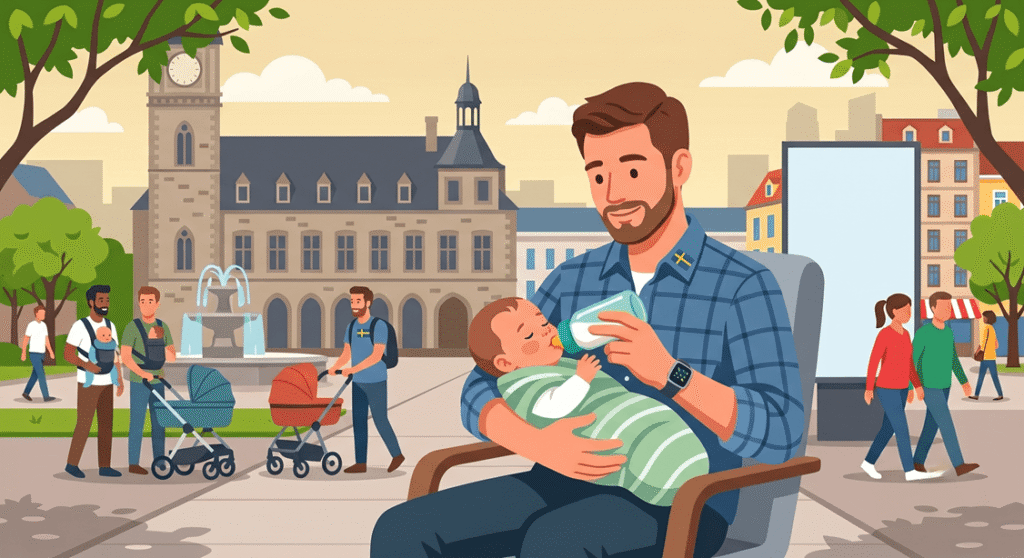
Parental Leave: The parental benefit system allows both mothers and fathers to stay home with their young children, and the state strongly encourages parents to share this leave equally.
Gender-Based Violence and Oppression
Domestic violence and honor-based violence and oppression are serious crimes in Sweden. Regarding sexual violence, Sweden has a strict “consent law” (samtyckeslag), which mandates that anyone engaging in sexual activity must ensure the other person is participating voluntarily, even if they are married.
Honor-based violence occurs when a family or group uses physical violence, psychological pressure, or threats to control the behavior of its members. This affects not only women and girls, but also boys, men, and LGBTQI individuals. Child marriage (marrying under the age of 18) and forced marriages are strictly prohibited. The Swedish Gender Equality Agency (Jämställdhetsmyndigheten) coordinates the national effort to stop honor-based oppression, while the state funds protected housing and support organizations.
The Sex Purchase Law (Sexköpslagen)
In Sweden, it is illegal to buy sex. The law is designed so that only the buyer of sex is punished, not the person selling it. This highlights society’s stance that exploiting another person sexually for money is unacceptable.
Children’s Rights
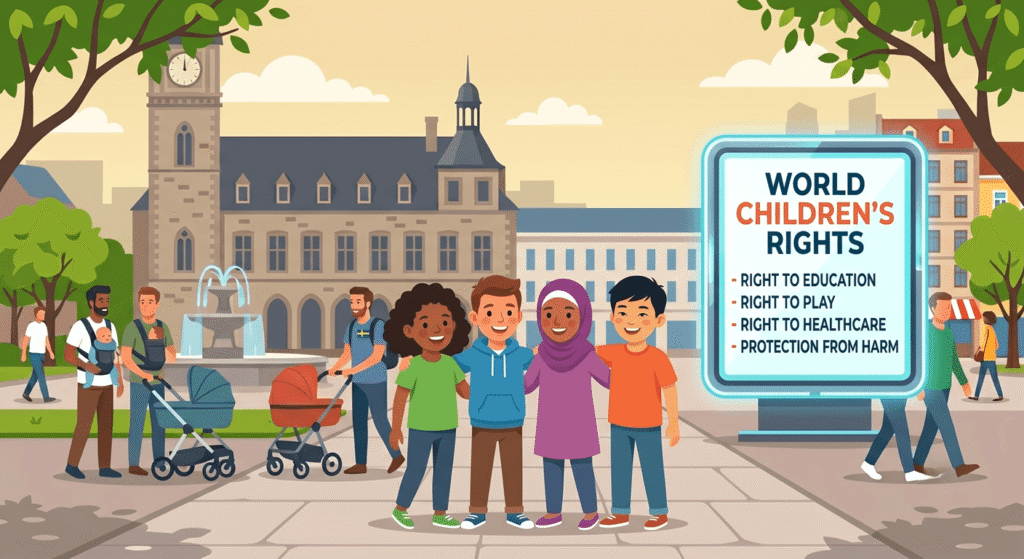
The UN Convention on the Rights of the Child exists to protect children’s human rights, and in 2020, this convention officially became Swedish law.
Sweden was a global pioneer in child protection; in 1979, it became the very first country in the world to ban all forms of corporal punishment (hitting or smacking children). All violence against children including physical abuse, psychological violence, sexual abuse, and female genital mutilation is forbidden everywhere, including in the home, and can result in imprisonment.
When decisions are made that affect children, their voices must be heard. For example, if parents divorce and disagree on living arrangements, the court will ask the child what they want. Municipalities must also prioritize children’s best interests when building schools or playgrounds. Parents or guardians are responsible for raising the child, and they have the right to receive support from the municipality or healthcare system to do so.
Minority Rights
Sweden provides special protection to certain groups that have lived in the country for a very long time and possess their own languages and cultures. Historically, these groups faced discrimination. In the year 2000, Sweden officially recognized five national minorities: Jews, Roma, Sami, Swedish Finns, and Tornedalians. They have the right to use their minority languages (Yiddish, Romani Chib, Sami, Finnish, and Meänkieli) when interacting with government authorities, in preschools, and in elderly care.
The Sami People (Samer)
The Sami are recognized not only as a national minority but also as an indigenous people (urfolk). They have a deep historical connection to Sápmi, a vast land area covering parts of Sweden, Norway, Finland, and Russia. The Sami have their own elected parliament in Sweden called the Sami Parliament (Sametinget), which advises on issues related to Sami language, culture, and identity. Sami village members also hold special rights to herd reindeer in designated areas.

LGBTQI Rights
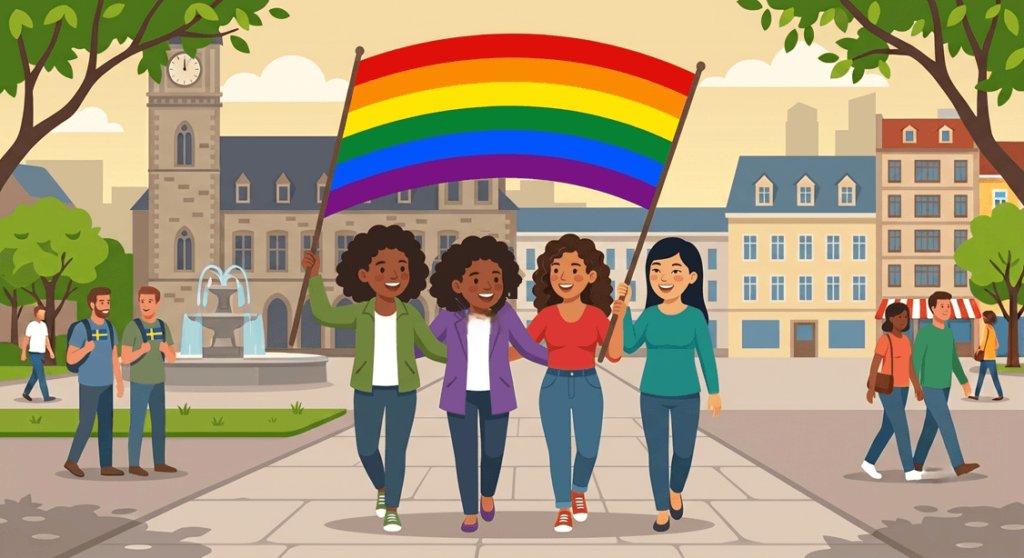
LGBTQI (in Swedish: hbtqi) is an umbrella term for homosexual, bisexual, transgender, queer, and intersex individuals. In Sweden, it is illegal to discriminate against anyone based on their sexual orientation, gender identity, or gender expression.
The right to live with and marry whoever you want is protected by law, and same-sex marriage is fully legal. Homosexuality was decriminalized in Sweden in 1944, same-sex couples gained the right to adopt children in 2003, and the Church of Sweden began performing same-sex marriages in 2009.
Disability Rights
People with disabilities can face societal barriers and discrimination. Specific Swedish laws exist to protect them from discrimination and ensure they can participate in society on equal terms.
Working Against Discrimination
The Equality Ombudsman (DO, Diskrimineringsombudsmannen) is a government agency dedicated to ensuring the Discrimination Act is followed. It is illegal for companies and organizations to treat people unfairly based on gender, religion, age, ethnicity, disability, or sexual orientation. Workplaces and schools are required to take active measures to prevent discrimination. Furthermore, if a person commits a crime against someone specifically because they belong to a certain group, it is classified as a hate crime (hatbrott) and carries a stricter penalty.