



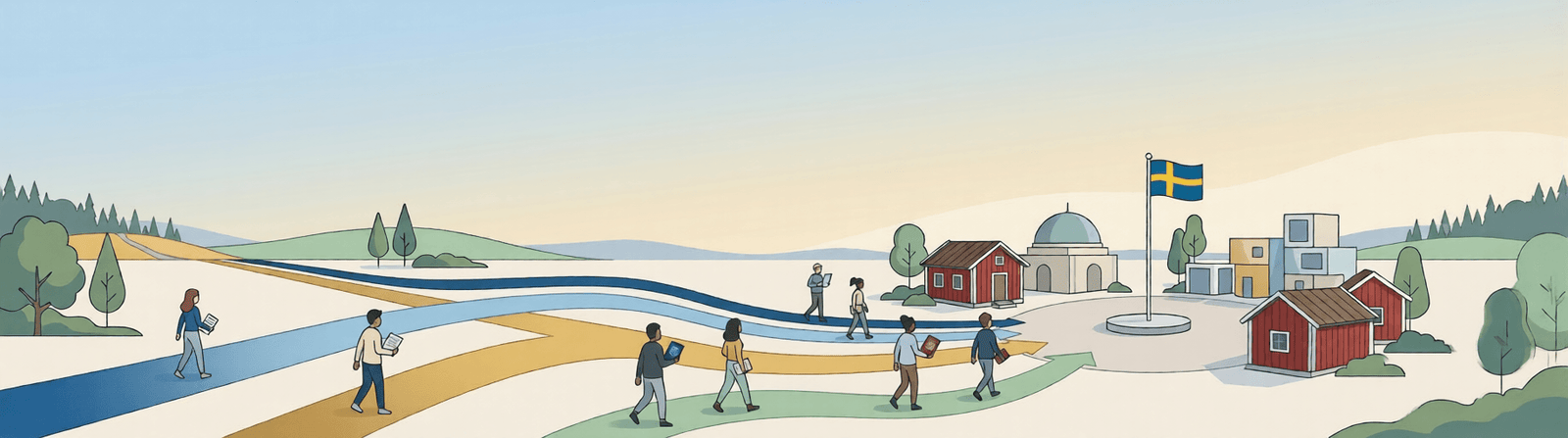
Chapter 6: The role of the media
This chapter covers the media landscape in Sweden, which includes newspapers, film, radio, television, the internet, and social media. The media plays a critical role in society by spreading news, knowledge, and information.
Free Media
In a democratic country like Sweden, the media is free. This freedom is protected by two fundamental laws: the Freedom of the Press Act and the Fundamental Law on Freedom of Expression. These laws guarantee the right to freely express opinions, and the state is forbidden from controlling or influencing what the media publishes.
The media serves several purposes: it delivers the news, provides a platform for open societal debate, and offers entertainment.
Scrutiny and Transparency
A vital task for journalists is to scrutinize politicians and individuals in positions of power. To make this possible, Sweden has the Principle of Public Access to Official Records (Offentlighetsprincipen). This principle dictates that all non-classified documents handled by government authorities (such as official decisions and emails) are public. Anyone, including journalists, can request to read them to see how decisions are being made.
To ensure a diverse range of news sources, the Swedish state provides financial support to various news media and daily newspapers. Additionally, individuals have the legal right to provide information to journalists, radio, or TV anonymously and without fear of punishment (meddelarfrihet).
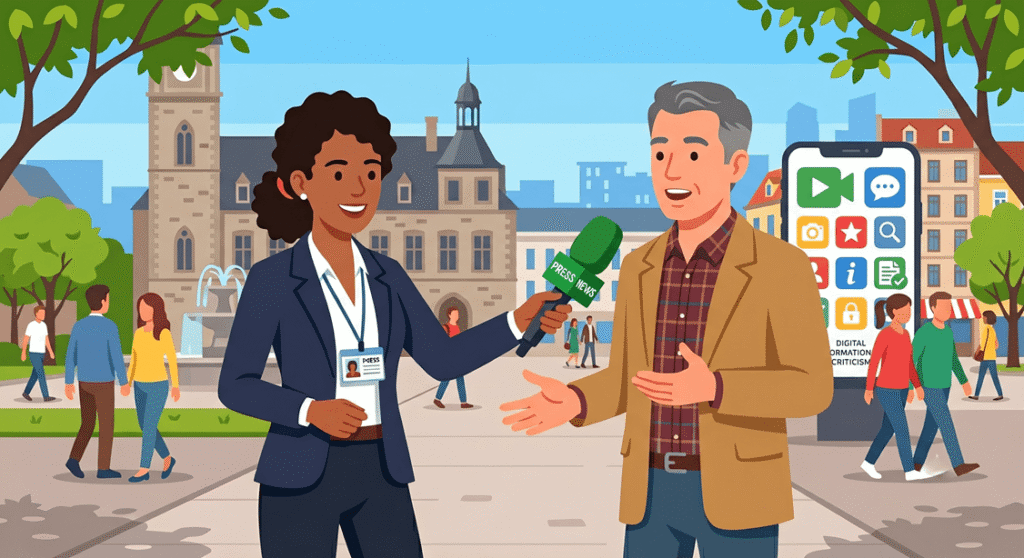
Every newspaper, radio station, and TV channel must have a legally responsible publisher (ansvarig utgivare). This person ensures that published content complies with laws protecting against slander and harassment. Journalists are also expected to verify their information using multiple independent and reliable sources.
Different Kinds of Media
Sweden has a wide variety of newspapers, magazines, radio stations, and TV channels.
Private and Commercial Media: These are media outlets run by private companies. They include national and local daily newspapers, which are now primarily read online and updated constantly. These outlets, along with commercial radio and TV channels, generate income by selling advertising space or through customer subscriptions.
Public Service: Three media companies in Sweden have a special, state-mandated assignment: Sveriges Radio (SR), Sveriges Television (SVT), and Utbildningsradion (UR). Together, they are known as “public service”. They must remain completely independent of political and commercial interests and cannot broadcast paid advertisements. Instead, they are funded by a public tax fee. Their goal is to provide everyone in the country with impartial news, culture, sports, and entertainment, ensuring access to objective information regardless of a person’s income or where they live.
The Web and Social Media On the internet and social media, anyone can create and publish content. This means that the information spread on these platforms is not regulated or fact-checked in the same way traditional media is.
Source Criticism (Källkritik)
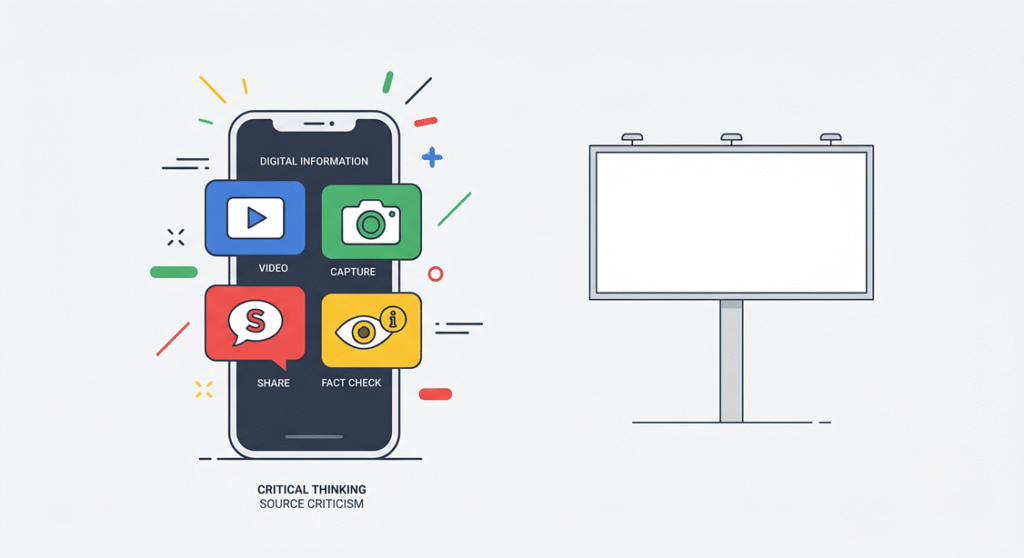
People consume information from countless sources today, but not everything published is true. False information can spread rapidly online and manipulate people’s opinions. Being “source-critical” (källkritisk) is an essential skill. It means actively questioning, evaluating, and verifying whether the information you read, see, or hear is actually accurate and reliable.