Chapter 12: A secular state and a multi-religious country
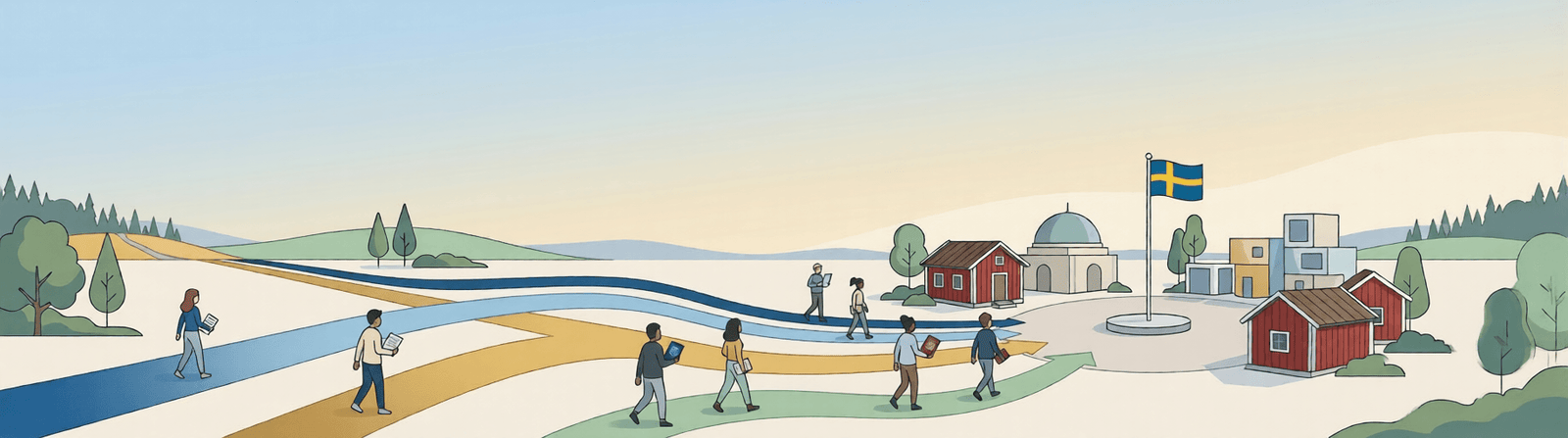
This chapter explores religion in Sweden, focusing on the country’s transformation from a nation with a strict state church to a highly secular and diverse society where freedom of religion is protected by law.
Freedom of Religion (Religionsfrihet)
Freedom of religion is a fundamental human right and is protected by the Swedish constitution. This means that everyone in Sweden has the right to practice their religion, whether by attending a church, mosque, synagogue, or temple.
Equally important is the right not to practice any religion at all. No one can be forced to participate in religious activities or belong to a religious community. Everyone also has the legal right to change their religion or leave a religious group at any time.
A Secular Society
Sweden is widely considered one of the most secular countries in the world. Being a secular state means that religion and the government are strictly separated.
In Sweden, political decisions and national laws are made by the democratically elected parliament (the Riksdag), not based on religious texts or rules. Public institutions, such as government agencies and the justice system, must remain neutral and cannot be governed by religious doctrines.
The Church of Sweden (Svenska kyrkan)
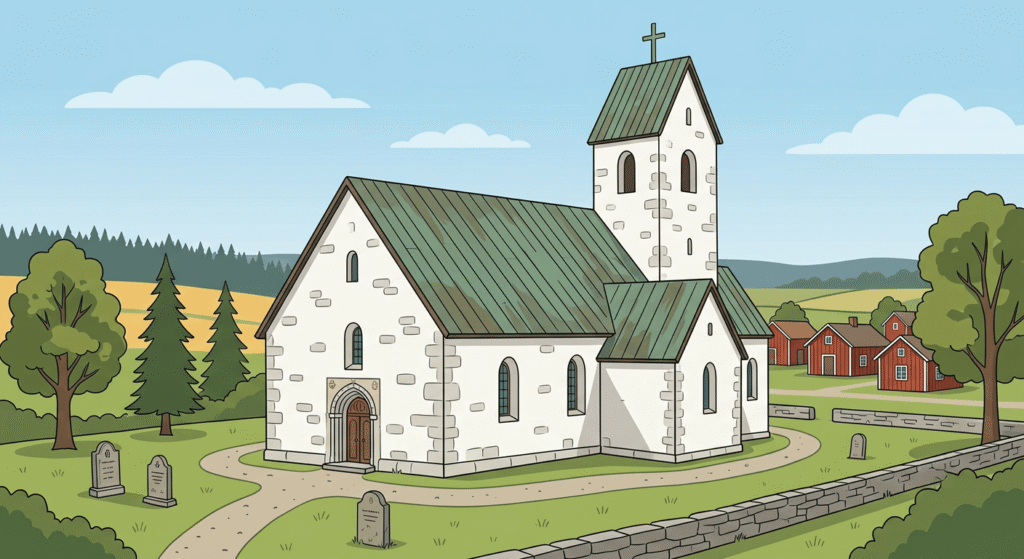
For hundreds of years, Sweden was religiously homogeneous. From the 1500s until the year 2000, the Evangelical Lutheran Church of Sweden (Svenska kyrkan) served as the official state church. During much of this time, all Swedish citizens were automatically registered as members at birth, and for a long period in history, it was even illegal to practice other religions.
However, as society modernized and became more secular, the relationship between the church and the state changed. In the year 2000, the Church of Sweden and the Swedish state officially separated. Today, the Church of Sweden is an independent organization, just like any other religious community in the country. While many Swedes are still members and pay a voluntary church tax, a large portion of the population only visits the church for special traditions like weddings, funerals, or Christmas services, rather than for regular religious worship.
A Multi-Religious Country
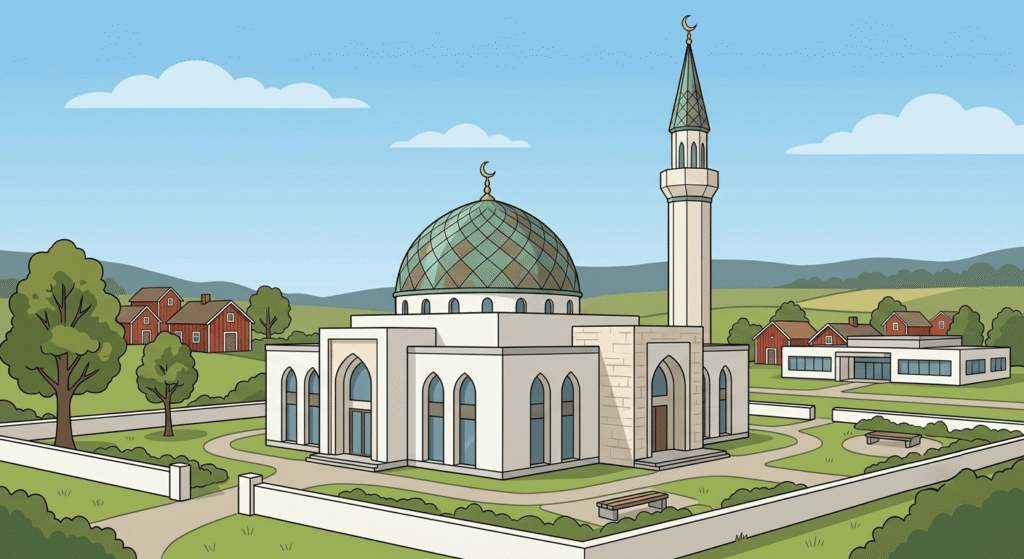
Today, Sweden is a multi-religious society. Over the past few decades, immigration from all over the world has significantly changed the country’s religious landscape.
While Christianity (including Protestant, Catholic, and Orthodox branches) remains the most common religious background, Islam is now the second-largest religion in the country. Sweden is also home to communities of Jews, Buddhists, Hindus, and people of many other faiths. This diversity means that multiple religious holidays and traditions are now celebrated across the country throughout the year.