



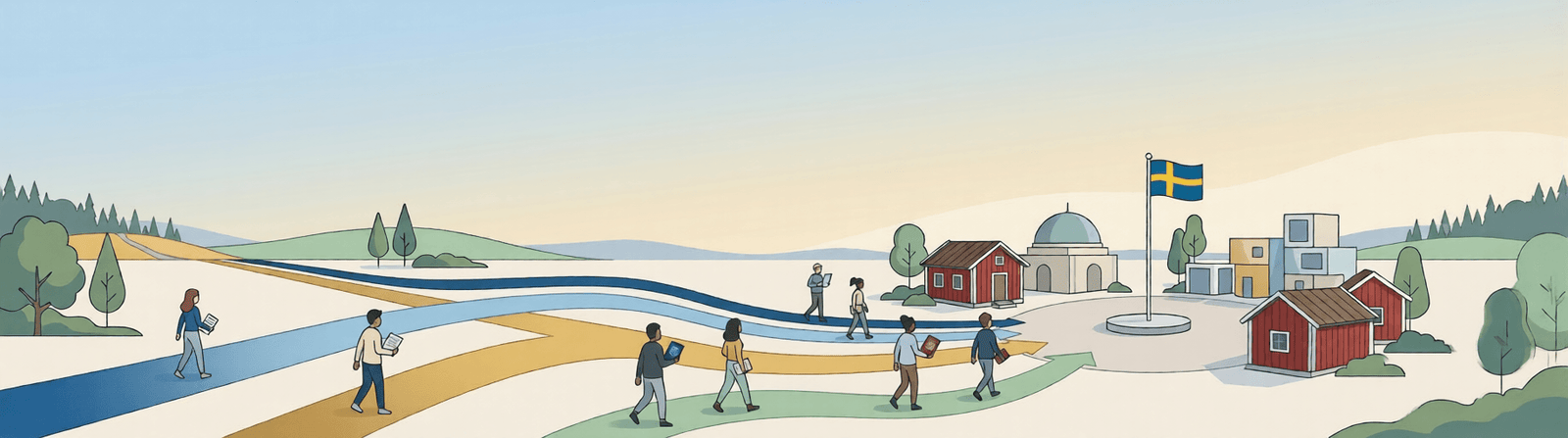
Chapter 11: Sweden and the world
This chapter describes Sweden’s foreign policy and its active participation in international organizations like the UN and the EU. It also covers Sweden’s security policy and the concept of total defense.
The United Nations and Global Engagement
Sweden joined the United Nations (UN) in 1946, shortly after the organization was founded. The UN’s primary goals are to maintain international peace, protect human rights, and fight poverty. Sweden is a strong financial contributor to the UN and has frequently sent personnel to participate in international peacekeeping missions.
Furthermore, Sweden provides significant international aid to developing countries. This foreign aid is managed by a government agency called Sida (the Swedish International Development Cooperation Agency). Sida works globally to improve living conditions, promote democracy, and support environmental sustainability.
The European Union (EU)
Sweden became a member of the European Union in 1995. The EU originated as a peace project following World War II to prevent future conflicts in Europe by creating strong economic ties between countries. Today, it is a powerful political and economic union.
A core principle of the EU is the “four freedoms,” which guarantee the free movement of goods, services, capital, and people across member states. Because Sweden is part of the Schengen Agreement, Swedish citizens can travel to other Schengen countries without border passport checks. While Sweden is in the EU, it has retained its own currency, the Swedish krona, rather than adopting the Euro.
Nordic Cooperation
Sweden shares deep historical, cultural, and linguistic ties with its Nordic neighbors: Denmark, Norway, Finland, and Iceland. This cooperation is formalized through the Nordic Council. Thanks to agreements made in the 1950s, citizens of Nordic countries have the unique right to travel, live, and work freely in any other Nordic country without needing special permits or passports.
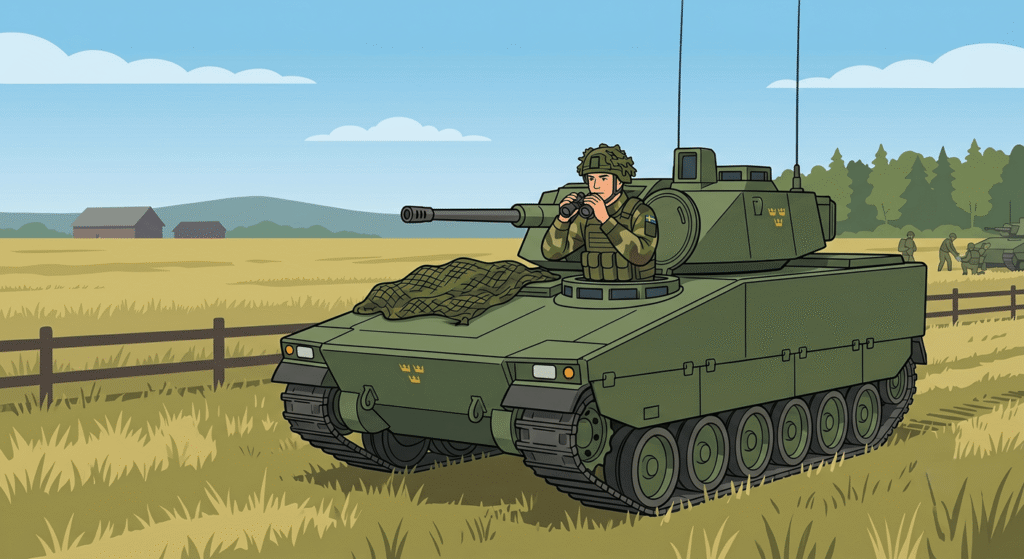
Security Policy and Defense
For over 200 years, Sweden’s security policy was based on military non-alignment, aiming to remain neutral in the event of a war. However, following changes in the European security environment, Sweden abandoned this long-standing policy and applied to join the NATO military alliance.
Sweden’s defense strategy is built on the concept of “total defense” (totalförsvar
), which involves the entire society. It consists of two parts:
Military Defense: The Armed Forces (Försvarsmakten), which includes the army, navy, and air force, tasked with defending Sweden’s borders. Sweden has military conscription (värnplikt), meaning both young men and women can be called up to complete military training.
Civil Defense: This involves government agencies, municipalities, private companies, and regular citizens working together to ensure society keeps functioning during a severe crisis or war. This includes maintaining healthcare, food supplies, water, and communications.